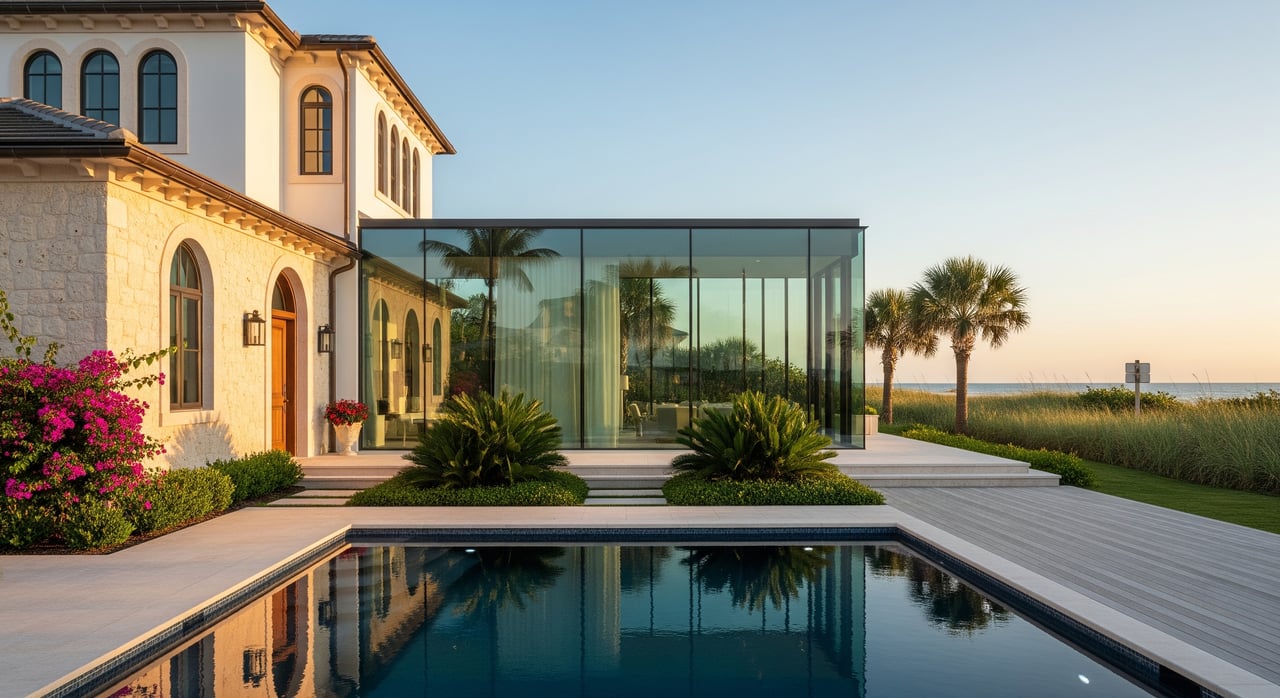
New Construction Or Renovated In Ocean Ridge?
January 15, 2026
January 15, 2026
Should you buy a newly built home or a high-end renovation in Ocean Ridge? It is a smart question in a coastal market where wind, water, and salt test every decision you make. You want beauty and function without surprises, and you want confidence that your investment will hold up in the years ahead. In this guide, you will compare new construction and renovated homes through the lens that matters here: quality, timelines, maintenance, resilience, insurance, and resale. Let’s dive in.
Ocean Ridge sits on a barrier island in coastal Palm Beach County. This setting is part of the appeal and part of the calculation. Flood zones, base flood elevation, and local permitting all shape what you can build and how you insure it. Florida’s building code requires enhanced wind resistance in coastal zones, and the town enforces setbacks and shoreline rules that can influence design and expansion potential.
Insurance is another key factor. Coastal homes often carry higher windstorm and flood premiums, and the market in Florida has seen periodic volatility. Some owners use the state-backed Citizens program if private coverage is limited. Sea-level rise, storm surge, and salt-air corrosion are long-term realities, so elevated mechanicals, impact glazing, and corrosion-resistant materials are more than nice-to-haves.
A new build must meet the current Florida Building Code and local conditions. That usually means impact-rated windows and doors, modern wind load engineering, energy-code compliance, and elevated or protected mechanicals. Look for quality signals such as the builder’s track record, engineered foundation or piling designs for waterfront lots, a clear inspection history, and manufacturer warranties on roofs, windows, and HVAC.
New systems reset your maintenance clock. Roof, HVAC, windows, and water heaters start near day one of their useful life, and you often receive builder and manufacturer warranties. In a salt environment, that head start matters. Coastal-grade fasteners, paints, and finishes also help reduce early corrosion and upkeep.
Your contract defines scope, specifications, and a projected timeline, with phased inspections and a certificate of occupancy at completion. Delays can still happen from permitting, weather, or supply chains, but the condition of the structure is not an unknown. Commercial-caliber builders may offer structured updates and clearer schedules.
A high-end renovation can match new-build performance if the work addressed structure, systems, and resilience. Verification is essential. Ask for permits for major work, as-built drawings, engineer or architect approvals, inspection sign-offs, and any transferable warranties. Documentation reduces risk and supports future resale.
Renovations can be cost-effective when the lot, elevation, and orientation are exceptional. Cosmetic updates are straightforward. Full-gut projects that include kitchens, baths, electrical, plumbing, and structural changes can approach the cost per finished square foot of new construction. Use current regional benchmarks from recognized sources like Remodeling Magazine’s Cost vs. Value, NAHB, or RSMeans to frame expectations, then bid your specific scope with qualified coastal contractors.
Renovations carry more discovery risk. Hidden rot, outdated wiring or plumbing, mold, termites, or unpermitted work can add time and cost. If renovations change footprints or structure, you may trigger additional permits and code upgrades. Smaller cosmetic work is more predictable than a full-gut transformation.
New builds that follow modern codes can qualify for wind mitigation credits and often perform better in storms. Renovated homes can earn similar benefits if upgrades include impact glazing, improved roof-to-wall connections, and properly elevated utilities with documented permits. Generator-ready electrical, corrosion-resistant hardware, and drainage improvements support both performance and underwriting.
In Ocean Ridge, the lot often drives long-term value. Orientation, views, privacy, and mature landscaping can be decisive. Renovated legacy homes may sit on premium sites that are difficult to replicate today. New construction may be shaped by modern setbacks and dune protections, which can limit expansion but also protect the shoreline. Balance the character of a site with your desired floor plan and the realities of local permitting.
Plan your investment beyond the purchase price. Typical useful life varies with exposure and care.
Score each option across these categories based on your priorities.
If resilience and insurance are your top concerns, a well-executed new build or a renovation that fully modernized structure and systems can both win. If the perfect lot and mature landscape are the priority, a documented, high-quality renovation may edge ahead.
Both paths can be excellent in Ocean Ridge when you pair the right lot with the right product and insist on documentation. New construction delivers modern engineering, clean timelines, and warranties. A top-tier renovation can leverage a prime site and established landscape while achieving similar performance if the work was permitted and complete. If you want candid guidance rooted in development expertise and local market knowledge, connect with John R Hackett for a private, white-glove consultation or to request your Private Home Valuation.

Lifestyle
Uncover Hidden Gems and Must-See Spots in Gulf Stream
Real Estate
Affordable Home Improvements to Save Money and Increase Property Worth
Well-respected in his field and in the community, John’s success in real estate can be attributed to his long-time affinity for architecture, development, and construction. While enjoying the quintessential coastal lifestyle, John prioritizes spending time with his family, enjoying a round of golf with friends, and contemplating pathways to success for himself and those around him.
JOHN R HACKETT
ADDRESS
900 E ATLANTIC AVE STE 5
DELRAY BEACH FL 33483